


Delivering on Our Plan to 2030
Our work continues to be guided by a bold roadmap focused on prevention, stronger partnerships, and connecting care across hospital, home, and community.
Learn more

Executive Vice President, Patient Care Services and Chief Nursing Executive

Chief of Staff
This past year marked an important step forward as Trillium Health Partners took bold action to transform how care is delivered for our growing community. Guided by our Plan to 2030, we are creating a new kind of health care - defined not by illness, but by the health and well-being of people and communities.
From expanding the number of beds available so more patients can receive care when they need it to harnessing AI and new partnerships, this work is helping us build a more connected system of care that supports people to stay healthier and access the right care sooner.
Terri Irwin, Executive Vice President, Patient Care Services and Chief Nursing Executive, and Dr. Sam Sabbah, Chief of Staff, reflect on the progress made over the past year and what it means for the future of care at Trillium Health Partners.
I am proud of how we are pairing innovation with strong clinical care and partnerships to better support our community. Over the past year, we opened 50 new patient beds, helping us care for more people and enter the respiratory season in a stronger position. We also brought all inpatient women’s and children’s services together at the Credit Valley Hospital, creating a coordinated hub of specialized care for families and helping prepare for the future Shah Family Hospital for Women and Children.
Beyond our hospital walls, programs such as THP@home and the Integrated Palliative Care Program are helping more people receive care in the setting that best meets their needs. For patients receiving palliative care, this includes supporting them to spend their final days in their place of choice. That reflects something important to us at Trillium Health Partners: we feel accountable not only for the care people receive in hospital, but for the health of the community as a whole.
Terri Irwin Executive Vice President, Patient Care Services and Chief Nursing Executive
What stands out to me most is how we are using innovation to improve care for patients. At Trillium Health Partners, we see AI as foundational infrastructure, not stand-alone technology projects. It is helping us improve quality, access, and coordination across hospital, community, and home-based care.
Rather than defining hospitals by beds and buildings alone, we envision hospitals as specialized hubs with digitally connected services across the community - from home care and virtual care to long-term care, community services, and primary care.
This vision comes to life through initiatives like the Trillium Operations Centre, which brings together care teams, real-time data, and AI-enabled insights to help us identify pressure earlier, respond faster, and better coordinate care. We are also using AI in clinical care, including in diagnostic imaging, where a tool that helps detect intracranial hemorrhage on CT scans was deployed for the first time in Canada and is helping clinicians review urgent cases faster.
Dr. Sam SabbahChief of Staff
Delivering high-quality care starts with investing in our people. We are supporting nurses and other health professionals at every stage of their careers through mentorship, education, and early-career development. One example is WeMentor+, a digital mentorship platform that helps connect colleagues for guidance, learning, and support. It has now grown to more than 650 active users and expanded beyond nursing to support other disciplines as well.
We are also supporting internationally educated health professionals through the IEHP Bridging Program, which brings together mentorship, job shadowing, and practical learning to help participants understand how care is delivered in Ontario and prepare for professional exams and career opportunities.
By investing in our people, we are building momentum toward our vision of a new kind of health care for a healthier community.
Terri Irwin Executive Vice President, Patient Care Services and Chief Nursing Executive
We are also investing in our teams by giving them better tools, technology, and environments to support care. That includes using AI in practical ways to support clinical decision-making and help teams act earlier and with more confidence. We are beginning to use tools like Copilot to support everyday work, helping teams find information and complete tasks more quickly.
We are also preparing teams for new care environments through simulation and training, so they feel ready to deliver care in those spaces before they open. Together, these efforts are helping us deliver safer, faster, and more connected care, while supporting Team THP in their day-to-day work.
Dr. Sam SabbahChief of Staff
The voices of Team THP are essential to shaping better care. Through leadership rounding, feedback, and ongoing engagement, we are hearing clearly about the need to strengthen safety, recognition, and trust. We are also building more inclusive ways for people to shape decisions.
One example is the THP Circle on Equity, Antiracism and Inclusion, an advisory group to the President and CEO and Chief of Staff, which helps bring forward team members’ perspectives and lived experience. That input helps us identify barriers, strengthen belonging, and make decisions that better reflect the diverse community we serve.
Terri Irwin Executive Vice President, Patient Care Services and Chief Nursing Executive
Patient, family, and team insights are essential to how we improve care. One example is the Emergency Department wait times dashboard, where patient and family partners helped shape how information is presented so it is clearer, easier to navigate, and more useful for people deciding where to seek care.
We are also using new AI-enabled feedback tools to gather richer input from patients, helping us better understand what is driving their experience and where we can improve more quickly. This matters because experience is shaped not only by what care people receive, but by how supported, informed, and respected they feel while receiving it.
Dr. Sam SabbahChief of Staff
Over the past year, we continued advancing our Plan to 2030 - working alongside our team, partners, and community to build a new kind of health care defined not by illness, but by the health and well-being of people and communities.
Here are 10 milestones that moved us closer to that vision.
Our work continues to be guided by a bold roadmap focused on prevention, stronger partnerships, and connecting care across hospital, home, and community.
Learn more
All inpatient women’s and children’s services are now delivered at the Credit Valley Hospital, creating more coordinated care for families and helping prepare for the future Shah Family Hospital for Women and Children.
Learn more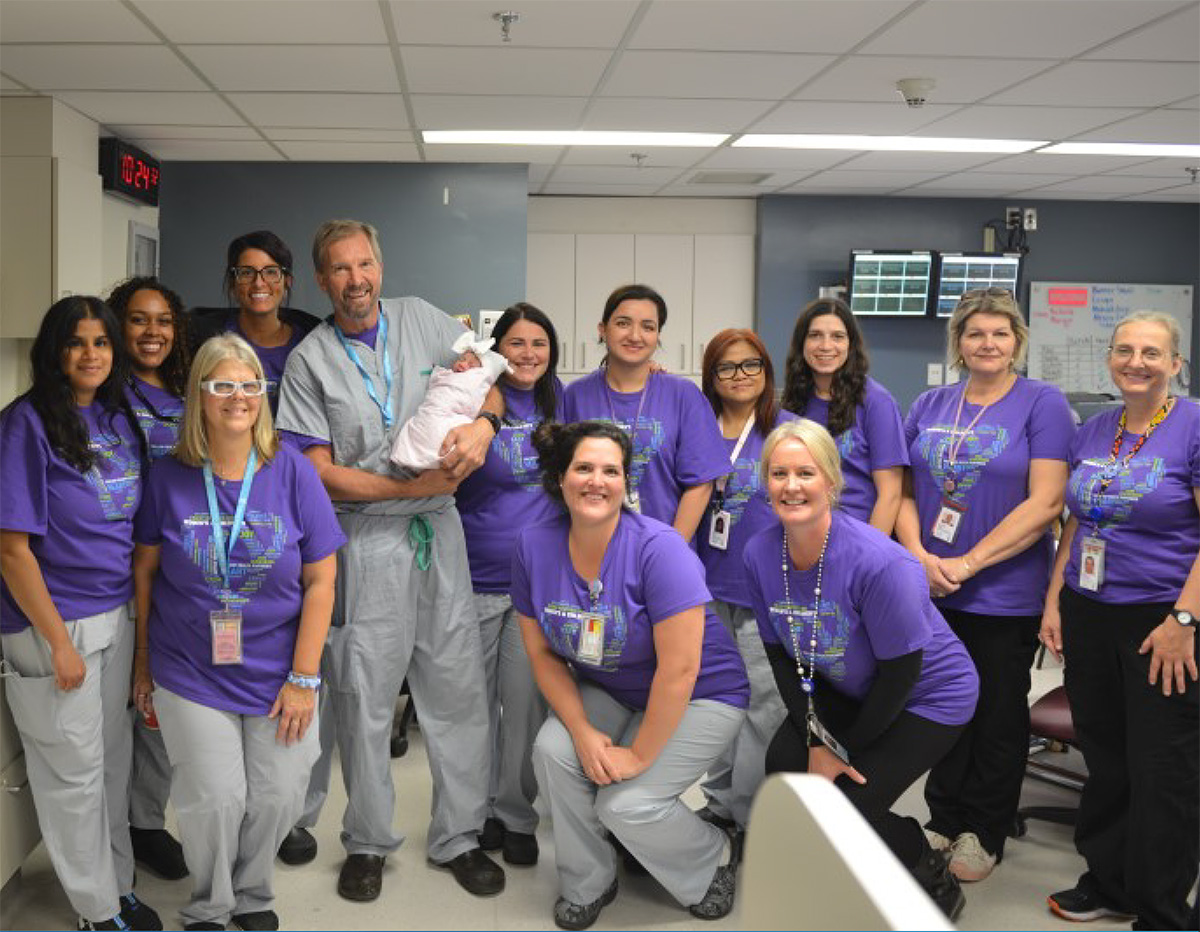
Our cardiology team performed its first live-broadcast cardiac procedure, sharing expertise with hundreds of cardiologists worldwide at CanCTO+Complex PCI 2025.
Watch video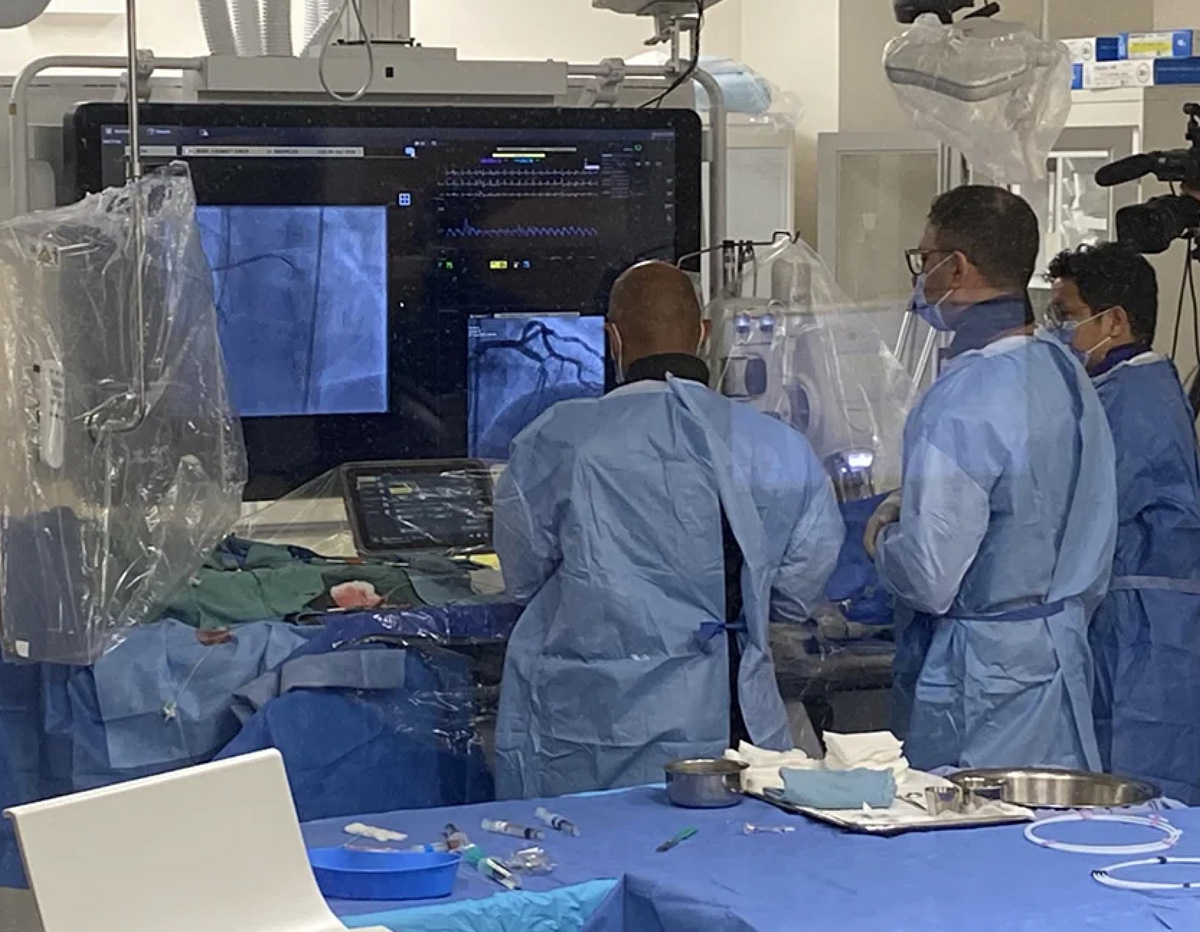
For the third consecutive year, we were named one of Canada’s Top 40 Research Hospitals - reflecting the growing impact of research embedded directly into patient care.
Learn more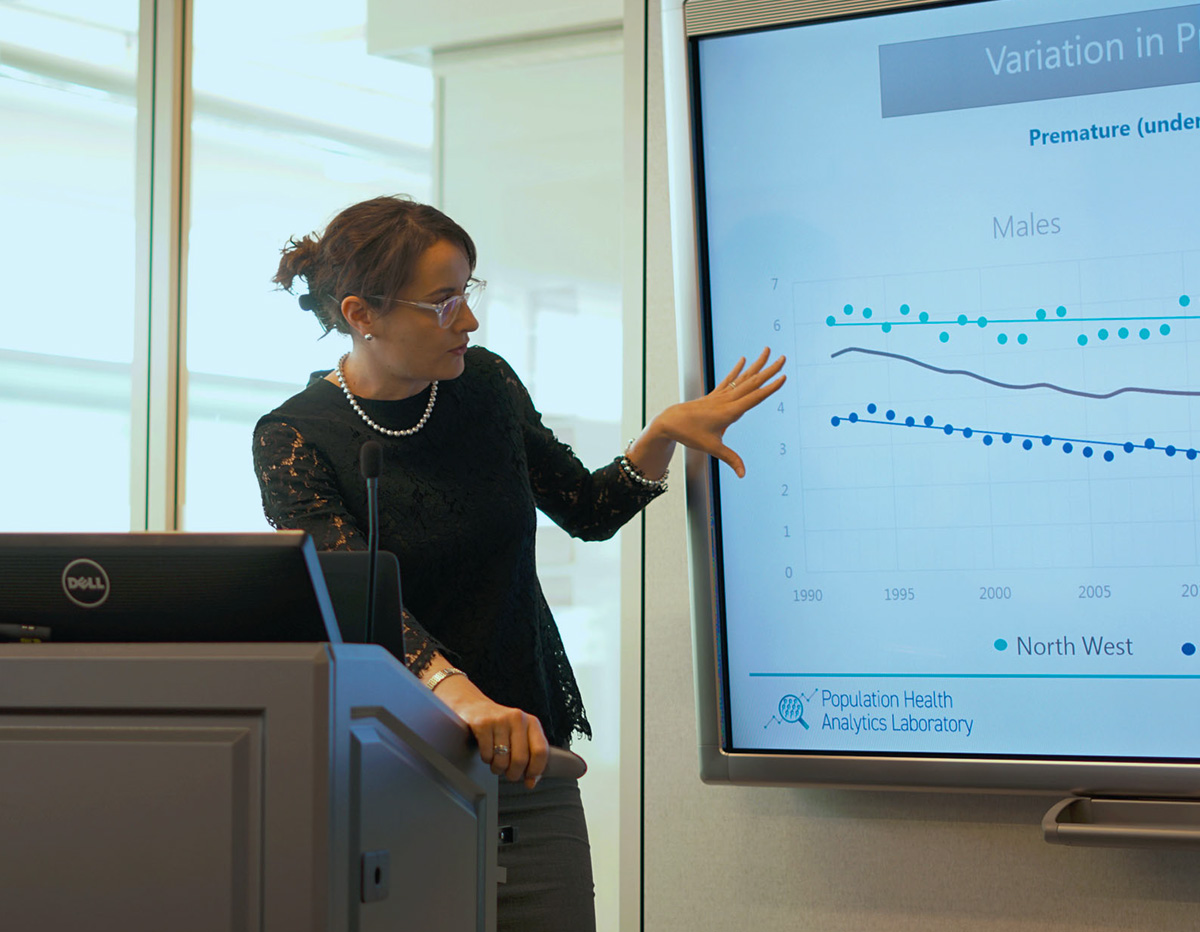
Together with Peel Regional Paramedic Services, we received an Ontario Health System Quality and Innovation Award for bringing hospital expertise into patients’ homes.
Learn more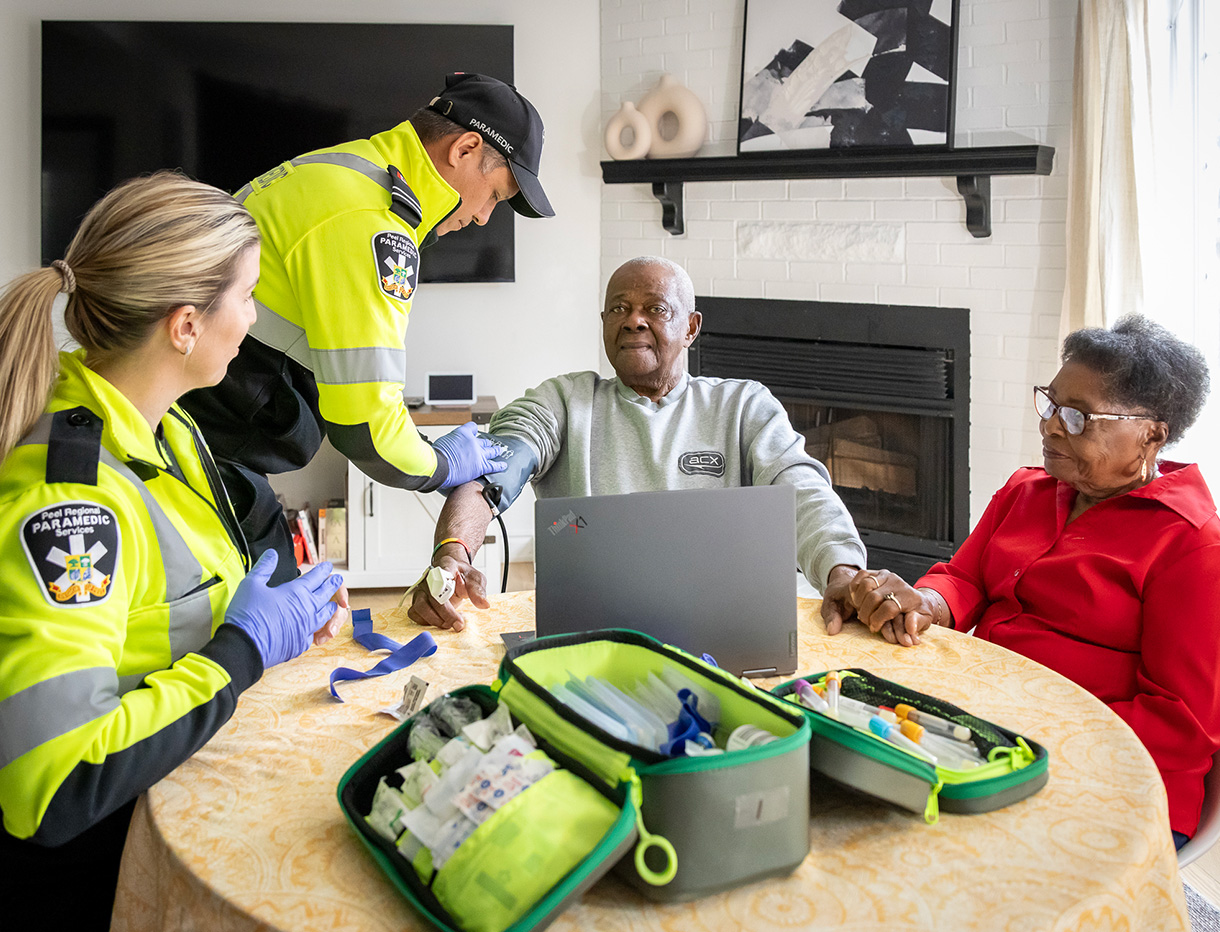
The McCall Centre for Complex Continuing Care joined Trillium Health Partners, expanding specialized services and supporting the future home of The Gilgan Family Queensway Health Centre.
Learn more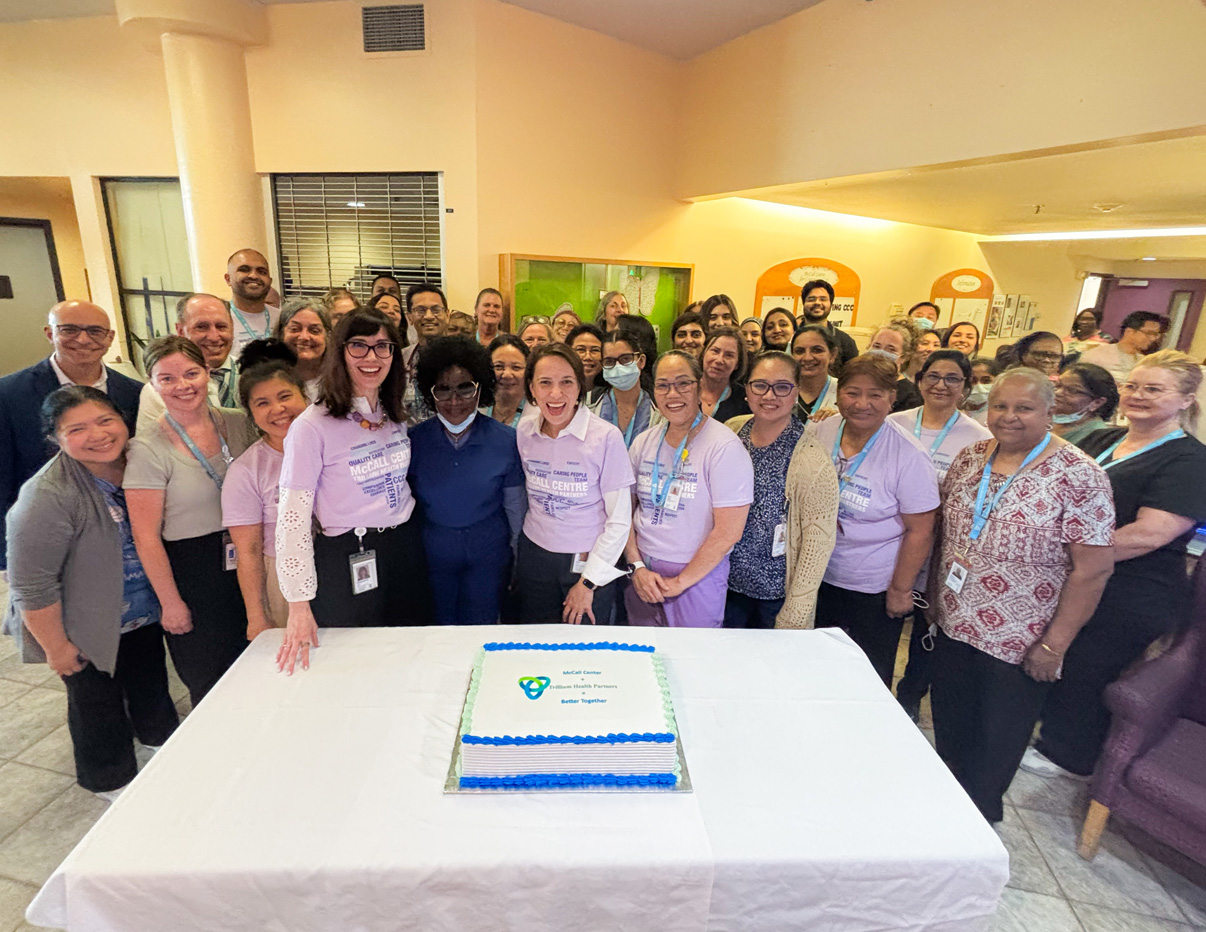
$87 million raised through the generosity of our community is advancing patient care today while helping build the hospital of the future.
Learn More
Provincial approval to expand radiation services at the Credit Valley Hospital will enable treatment for more than 7,200 patients annually, bringing faster access to care for our growing community.
Learn more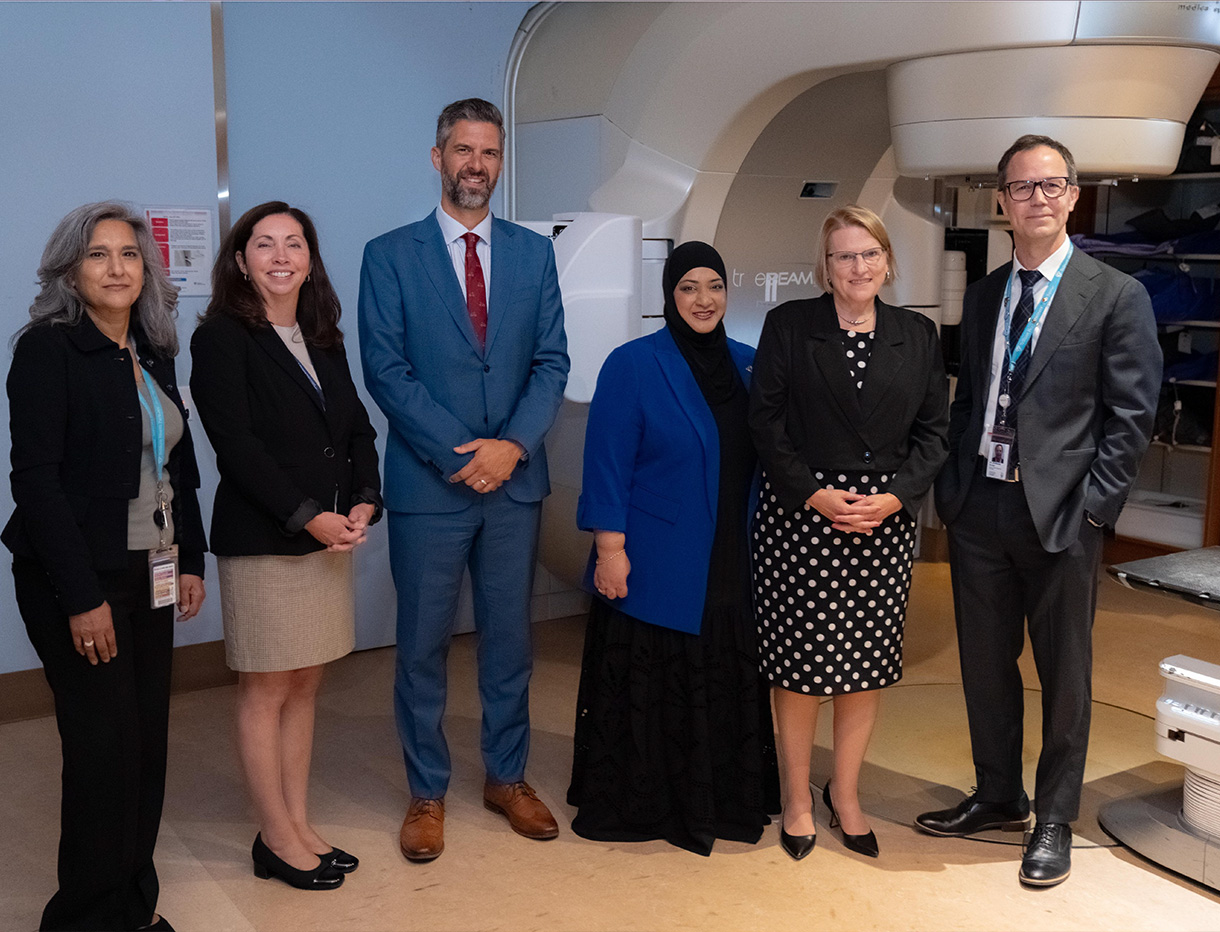
The Mississauga Health Integrated Palliative Care Program brings together hospital, hospice, home care, and community partners as one team, with 90% of patients receiving end-of-life care in their place of choice in its first year.
Learn more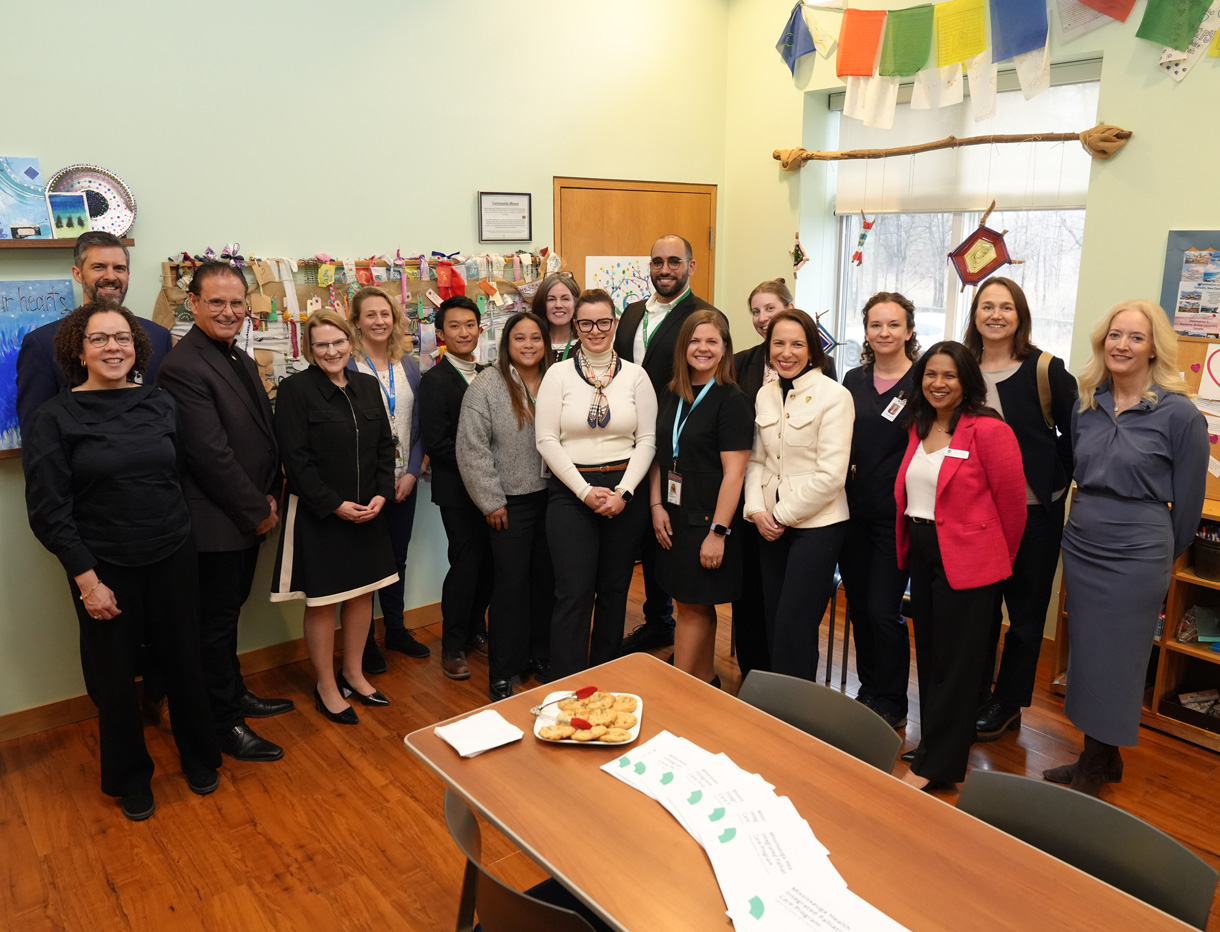
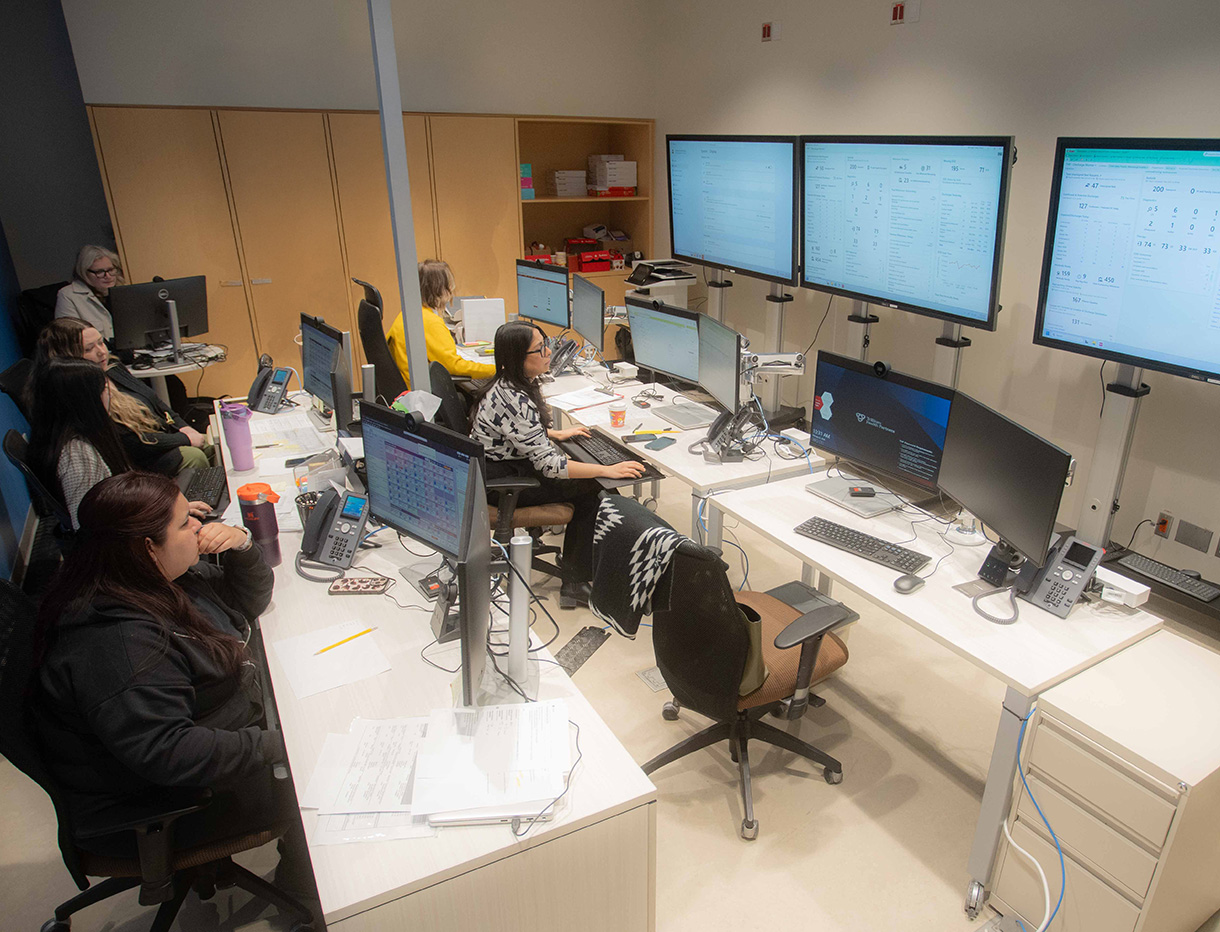
The Trillium Operations Centre brings together care teams, real-time information, and AI-enabled tools to help identify pressure earlier and better coordinate care across the hospital.
Highlights from patients, teams, and partners that reflect progress across our system.

“Mentorship helped me build confidence and see what was possible in my career.”
At Trillium Health Partners, investing in our people is essential to shaping the future of care. Through WeMentor+, a co‑created digital mentorship platform designed with equity and inclusion at its core, team members can access guidance and meaningful connections that support career progression. In early pilot areas, the initiative contributed to a nearly 10% decrease in turnover - reinforcing the role mentorship plays in retention, advancement, and unlocking potential across Team THP.
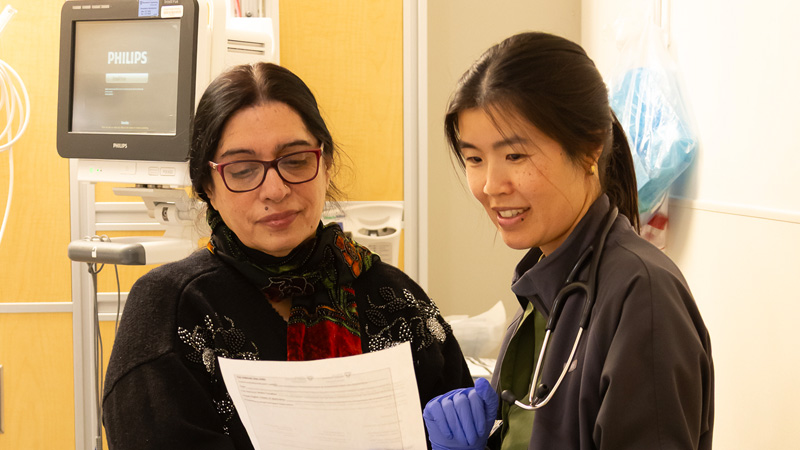
“We know that patients and families don’t always feel they’re getting timely or clear updates about what to expect next. This work is about creating a more reliable process so that those conversations happen regularly and in a way that patients and families can understand.”
Through a project supported by the QuEST program, two teams at the Credit Valley Hospital are improving how discharge plans and next steps are communicated to patients and families. Today, between 70 and 90% of patients on the units now have planned discharge dates and next steps clearly shared through bedside communication tools and conversations with the care team - helping patients feel more informed and prepared for next steps in care.
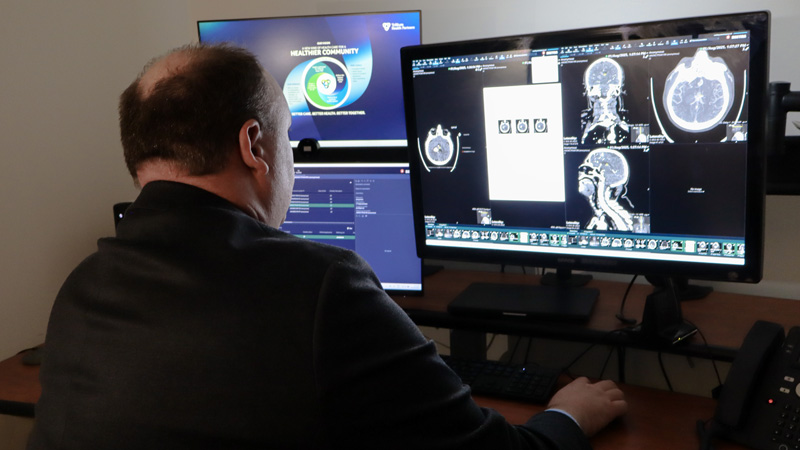
“AI is helping us identify the most urgent cases earlier - so patients can get the care they need, faster.”
At Trillium Health Partners, AI is strengthening diagnostic imaging by helping radiologists identify urgent findings sooner and prioritize care more effectively. Embedded into how scans are reviewed, AI acts as a second set of eyes, flagging potential concerns such as stroke and lung nodules. In some cases, AI-enabled imaging can reduce MRI times by as much as half - helping patients receive care sooner. Today, multiple tools support faster decision-making, helping teams act quickly and deliver timely, high-quality care.
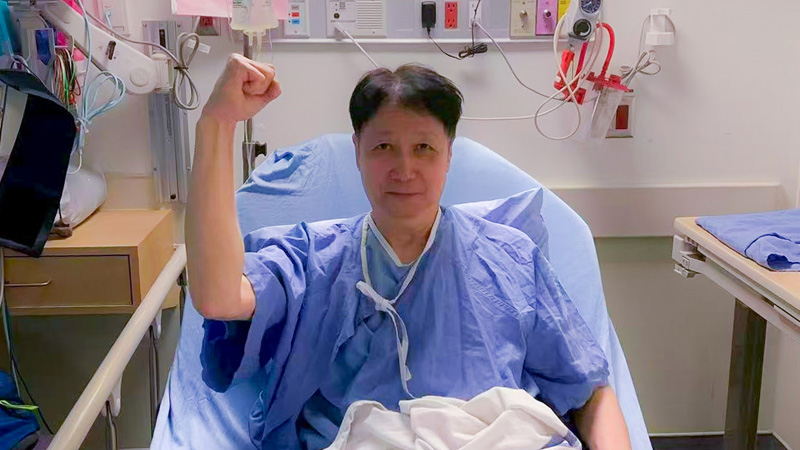
“Before, I couldn’t walk fast without pain. Now, it’s completely different.”
When two of Zidong’s coronary arteries became 100% blocked, he needed advanced care. At Trillium Health Partners, a specialized, minimally invasive procedure offered a new path - without the need for major surgery. Today, the team performs up to 150 complex coronary procedures each year, placing it among the top 10% of centres in Canada and helping more patients access advanced cardiac care, closer to home.
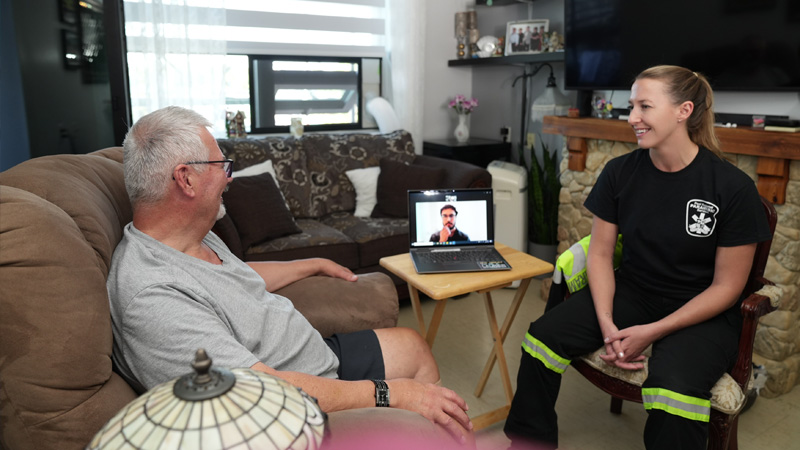
“They’re easy to talk to - and if there’s a concern, they take it seriously. You know the care team is there when you need them.”
Through an innovative partnership with Peel Regional Paramedic Services, Trillium Health Partners is bringing timely, personalized care directly into patients’ homes. Community paramedics, supported by real-time virtual physician appointments, are helping frail seniors and people living with dementia or chronic conditions receive care earlier and avoid unnecessary emergency department visits. To date, 95% of patients have been treated at home without requiring an emergency department visit, helping improve access to care while reducing pressure on hospitals.
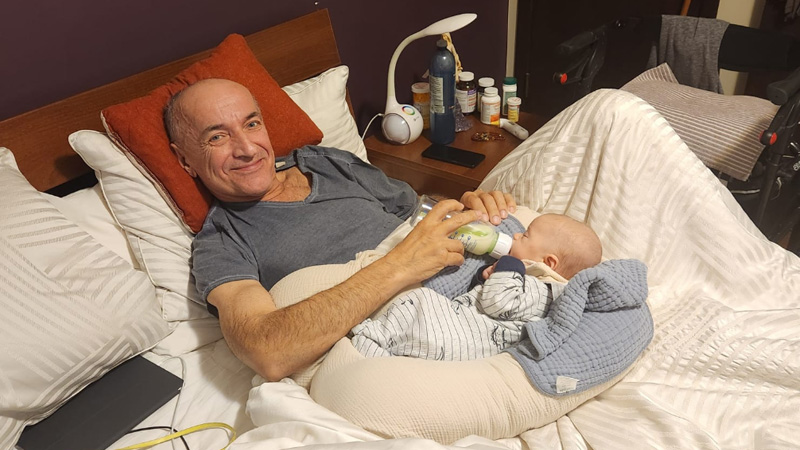
“It’s like having the benefits of hospital care, but in the comfort of home. Everything was arranged, and we didn’t have to figure it out on our own.”
When a loved one is nearing the end of life, families shouldn’t have to navigate care on their own. The Mississauga Health Integrated Palliative Care Program brings together hospital, hospice, home care, and community partners as one team, with one number to call, to support patients and families when they need it most. In its first year, the program supported more than 900 patients, and 90% were able to receive end-of-life care at home or in hospice - where many people prefer to be - rather than in hospital.
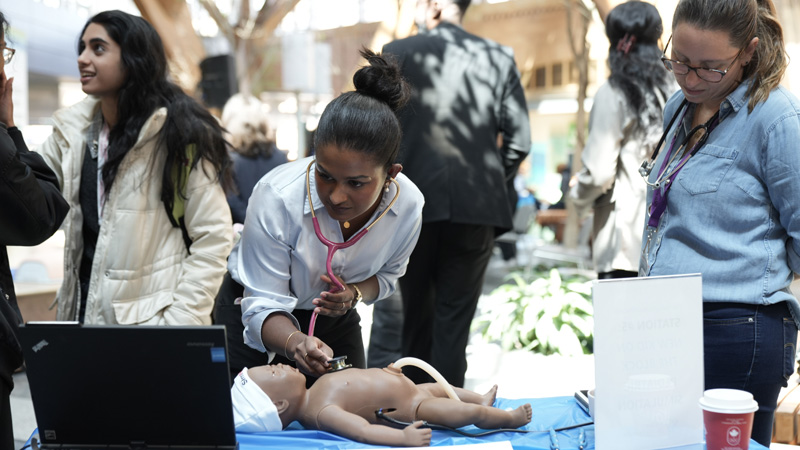
“Education isn’t separate from care - it’s foundational to it. Simulation prepares today’s teams, inspires the next generation of health professionals, and builds the skills and expertise needed to reimagine care as we build Canada’s largest hospital.”
At Trillium Health Partners, education is embedded into care - preparing teams for the realities of modern health care. In 2025–26, more than 300 simulation sessions engaged over 2,800 future doctors, nurses, and health professionals, strengthening teamwork, confidence, and clinical readiness. From care teams to students, this work is helping build a skilled, connected workforce for the future.

“Being part of creating a space where families feel understood, respected and supported - close to home - means everything.”
At Trillium Health Partners, a new paediatric sickle cell clinic is bringing specialized care closer to home for families in Mississauga living with sickle cell disease, a serious lifelong blood disorder. Co-designed with people with lived experience, the clinic reflects a commitment to more equitable, inclusive care. Since opening, it has received nearly 50 referrals, with about 80 children expected to be eligible for shared care - helping reduce travel and improve access to care.
A year of progress in shaping the future of care at Trillium Health Partners
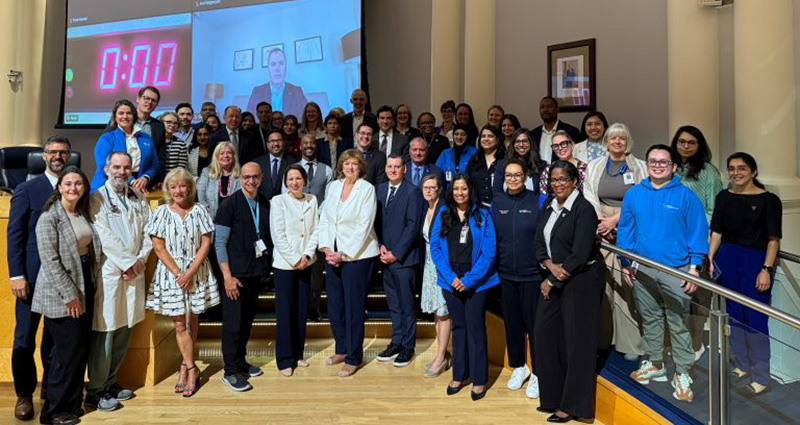

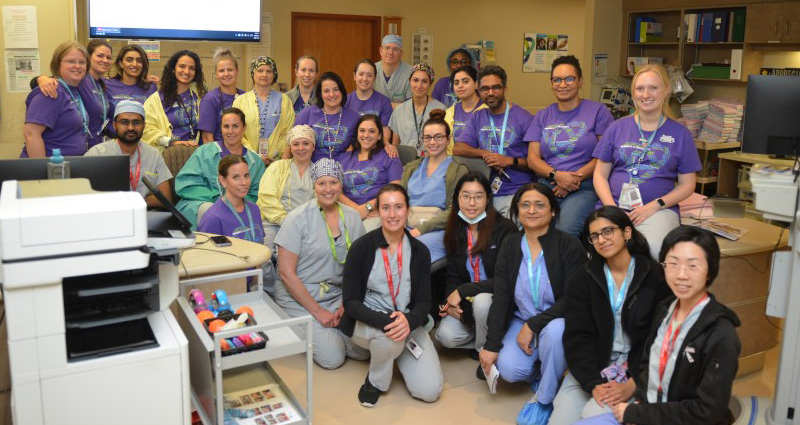

Visitors, including community members, students, media, and government representatives, toured the Trillium HealthWorks Experience Centre, gaining a first look at how care will be delivered in new spaces.
Community members engaged through town halls, open houses, and ongoing collaboration.
 3 of 7 cranes operational
 First concrete pour completed
 70% excavation complete
 10 site ambassadors supporting patients and families through construction impacts
 670+ Canadian-made windows being installed
 Construction progressing
 Reached nearly 40% work toward substantial completion
2025–26 Annual Community Report
in number of cancer surgeries performed in Ontario - 6,750 surgeries (FY 25‑26)
in number of breast cancer surgeries performed in Ontario - 885 surgeries (FY 25‑26)
in number of radiation treated cases in Ontario - 4,511 cases (FY 24‑25)
number of coronary angiograms performed in Ontario - 6,774 coronary angiograms (FY 25‑26)
overall volume of cardiac diagnostic procedures performed in Ontario - 8,555 procedures (FY 25‑26)
number of isolated coronary artery bypass graft (CABG) procedures performed in Ontario - 1,329 procedures (FY 25‑26)
highest number of open-heart cardiac surgeries performed in Ontario - 1,575 surgeries (FY 25‑26)
in number of births in Ontario - 8,673 births (FY 25‑26)
in number Neonatal Intensive Care Unit (NICU) beds in Ontario - 48 NICU beds (FY 25‑26)
number of Emergency Department visits in Ontario - 227,235 visits (FY 24‑25) (excluding Urgent Care Centres)
in number of spine surgeries performed in Ontario - 15% (FY 25‑26)
neurosurgical centres in Canada that brings patients requiring an emergency EVT procedures directly from the ambulance to the operating room (FY 24‑25)
EVT emergency stroke procedures performed (FY 25‑26)
number of inpatients treated - 71,876 patients, more than any hospital in Ontario (FY 24‑25)
highest number of surgical procedures in Ontario - 69,632 procedures completed (FY 24‑25)
highest number of mental health beds in Ontario - 98 beds (FY 25‑26)
highest number of ICU beds in Ontario - 121 beds (FY 25‑26)
outpatient hemodialysis treatments (FY 24‑25)
2025–26 Annual Community Report
In fiscal year 2025–26, Trillium Health Partners continued advancing a new kind of health care for a healthier community while responding to growing demand for care across one of Ontario’s fastest-growing and most diverse communities.
The organization maintained a strong focus on disciplined financial management, proactive planning and forecasting, and execution of its operational priorities. Among peer hospitals, Trillium Health Partners continues to be a strong performer in cost efficiency, while caring for a rapidly growing population with increasingly complex needs. The hospital remains focused on improving productivity, reducing avoidable hospital utilization, and delivering more care through integrated and digitally enabled models that support better outcomes and long-term sustainability.
For the year ending March 31, 2026, Trillium Health Partners reported a moderate deficit of approximately 3.5% of total revenues. This reflects continued growth in demand for services that has outpaced existing funding models. In response, the organization has continued to work closely with government partners while advancing operational and care model improvements designed to increase value, improve access, and moderate future cost growth.
Trillium Health Partners continued to advance its Plan to 2030, focused on improving access to care, strengthening connections across the health system, and delivering more seamless and personalized care for the community it serves. A key priority is reducing avoidable hospitalizations and ensuring patients receive the right care, in the right place, at the right time.
Over the past year, the organization expanded programs and services that improve both patient access and system efficiency. This included the launch of the Trillium Operations Centre to optimize patient flow and length of stay, as well as the expansion of digital and community-based care models that help patients with complex and palliative needs receive more coordinated care closer to home. These efforts are helping to improve the patient experience, preserve hospital capacity for those with the most complex needs, and strengthen the overall performance of the health system.
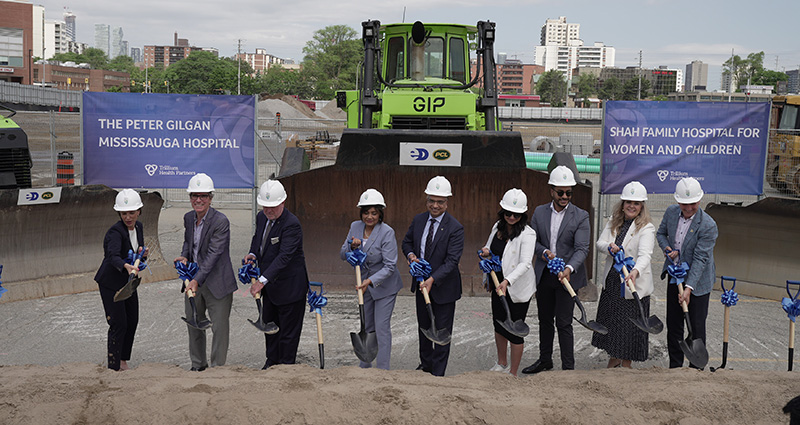
Supporting this transformation is Trillium HealthWorks, the largest hospital infrastructure plan in Canadian history, including construction of The Peter Gilgan Mississauga Hospital and Shah Family Hospital for Women and Children, and expansion of the future home of The Gilgan Family Queensway Health Centre. While infrastructure is essential to meeting future demand, these investments are being designed to support a more connected, digitally enabled, and integrated model of care for generations to come.
Together, these efforts reflect Trillium Health Partners’ commitment to financial stewardship, operational excellence, and innovation. By improving productivity, strengthening partnerships, and advancing new models of care, the organization is helping to build a more sustainable health system that delivers better care, better health, and better value for the community it serves.
(in thousands of dollars) |
||
|---|---|---|
| Revenue | 2026 $ |
2025 $ |
| ▇ Ministry of Health and other ministries | 1,437,005 | 1,362,615 |
| ▇ Other agencies and patient revenue | 130,941 | 125,359 |
| ▇ Service recoveries, retail, and ancillary revenues | 165,700 | 176,243 |
| ▇ Amortization of deferred capital grants and contributions - equipment | 9,123 | 8,327 |
| ▇ Investment income | 5,133 | 4,617 |
| ▇ Special programs - Ministries of Health and Community and Social Services | 72,761 | 53,116 |
| 1,820,663 | 1,730,277 | |
(in thousands of dollars) |
||
|---|---|---|
| Expenses | 2026 $ |
2025 $ |
| ▇ Salaries, wages and employee benefits | 1,204,664 | 1,128,684 |
| ▇ Medical and surgical supplies | 136,327 | 130,453 |
| ▇ Drug supplies | 115,417 | 107,225 |
| ▇ Facilities, maintenance and other operating expenses | 294,002 | 287,974 |
| ▇ Amortization - equipment | 37,994 | 38,317 |
| ▇ Special programs - Ministries of Health and Community and Social Services | 72,747 | 53,100 |
| 1,861,151 | 1,745,753 | |